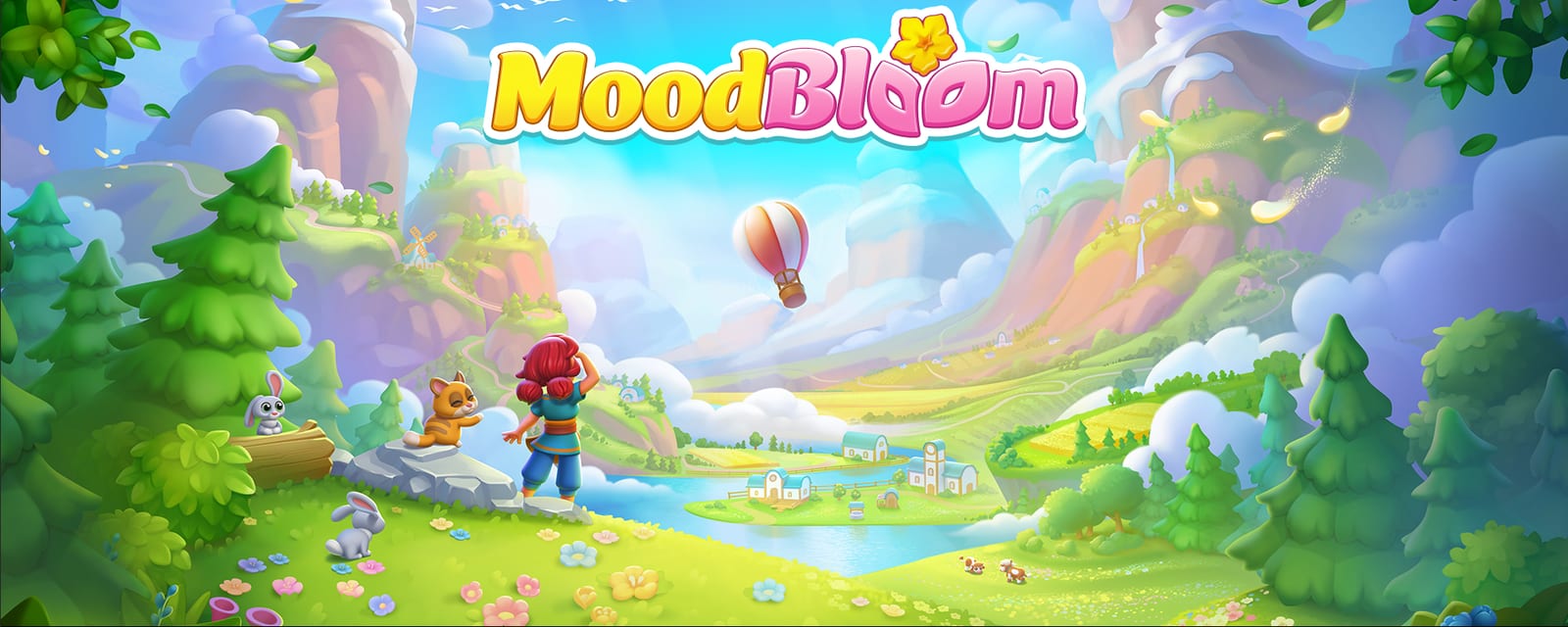
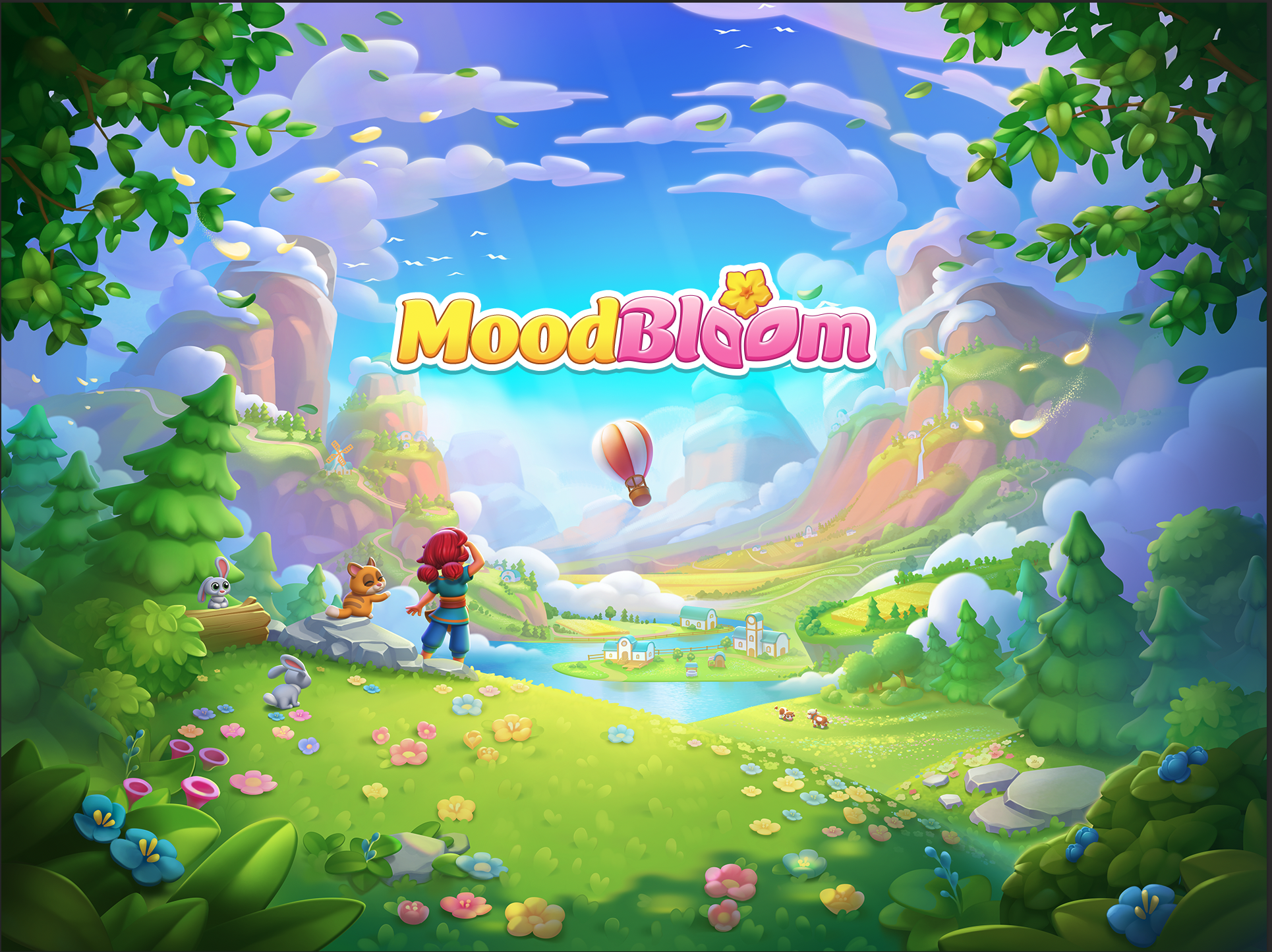
Therapeutic mobile game built at Hedonia to help reduce symptoms of depression and anxiety. A farm-management meta-game wrapped around short Therapeutic Games (TGs) based on Facilitating Thought Progression (FTP). Clinically validated in an RCT at Massachusetts General Hospital.
#mobile
#therapeutic
#ftp
#depression
#anxiety
#hedonia
#farm-management
#clinical-trial
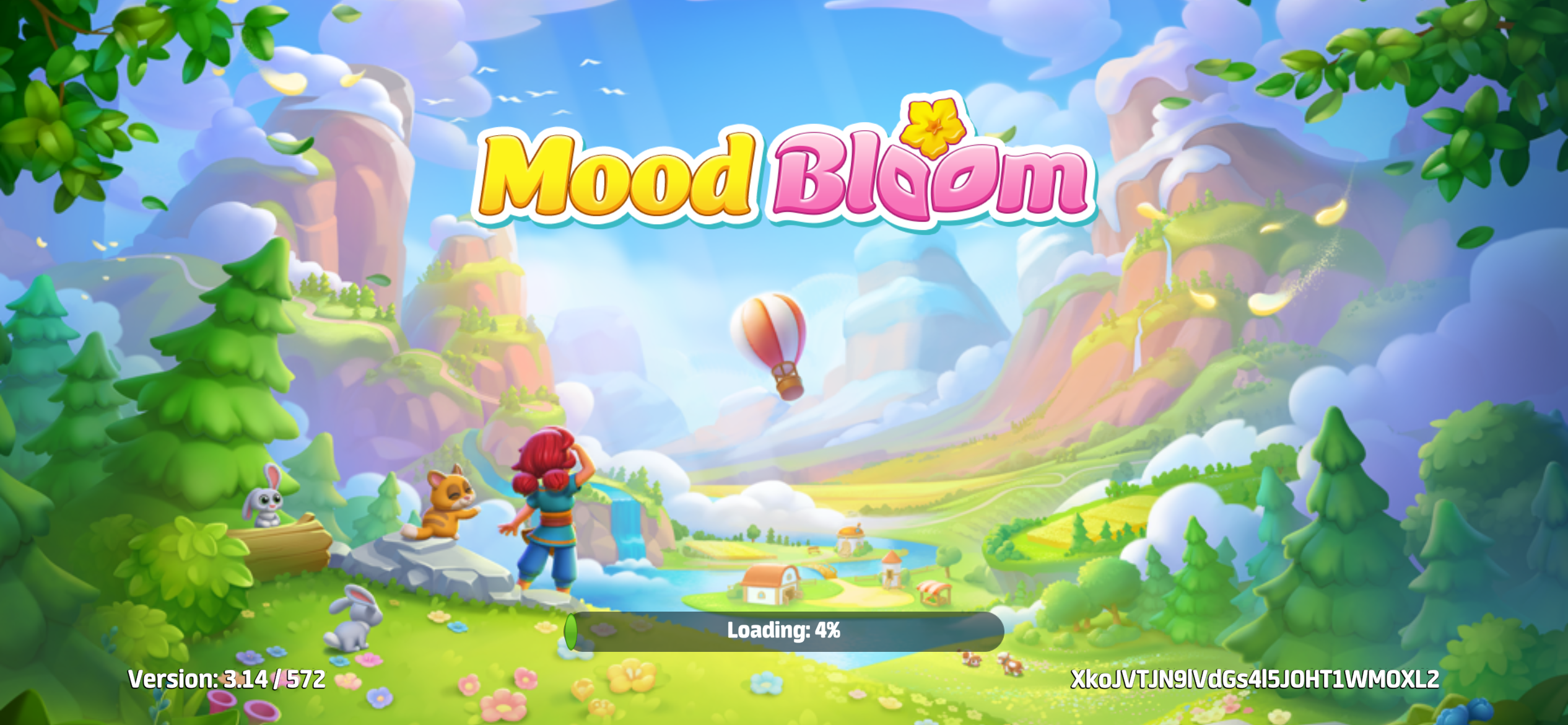
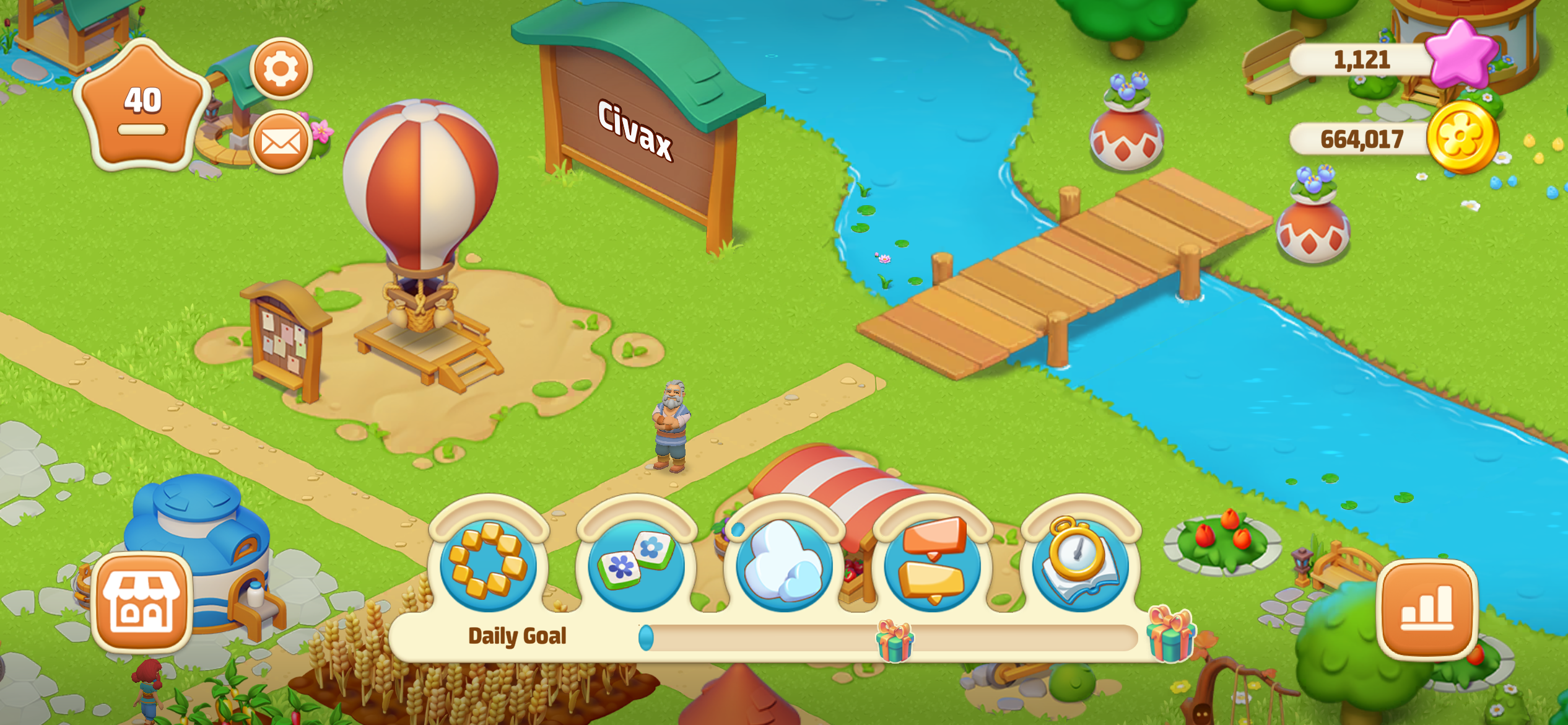
Mood Bloom was a therapeutic mobile game we developed at Hedonia, created to help reduce symptoms of depression and anxiety through gameplay.
I worked on this game almost 5 years of my life, learning a LOT about neuroscience, depression, anxiety and compassion. I also learned a lot about how to work with an academic team of neuroscientists, which turned out to be a completely new skillset of its own. Especially for someone coming from the fast-moving, monetization-driven, sometimes-aggressive mobile game industry.
Overview
The goal was ambitious: Mental health apps have a super low retention rate which renders them mostly ineffective treatment devices (since effectiveness comes with consistent usage). The goal was to build a game that has good retention rate, that includes the therapeutic treatment in it, and by that actually make it effective. A real mobile game where the therapeutic work was part of the core loop.
We wanted players to come back because the game felt warm, rewarding, and alive — and, while doing that, complete short therapeutic exercises designed to help shift patterns of thought associated with depression and anxiety.
Mood Bloom was based on Facilitating Thought Progression (FTP) — a method developed by Prof. Moshe Bar, which was one of our founders. FTP is based on the idea that depression and anxiety are often linked not only to negative content, but also to the shape of thinking itself: narrow, slow, repetitive, and “stuck” thought patterns. The intervention was designed to train the opposite: broader, faster, more associative, more flexible thought progression.
The Game
Mood Bloom combined two layers.
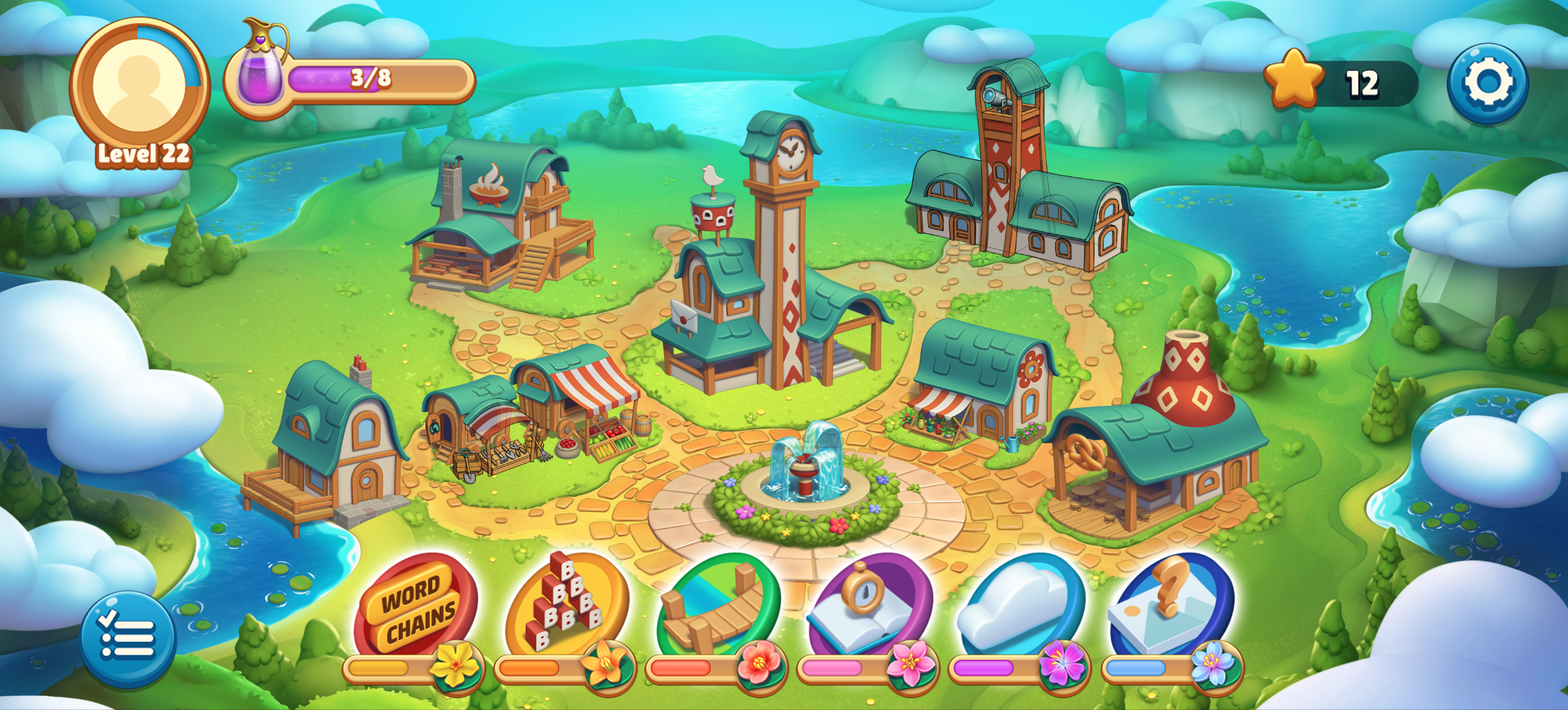
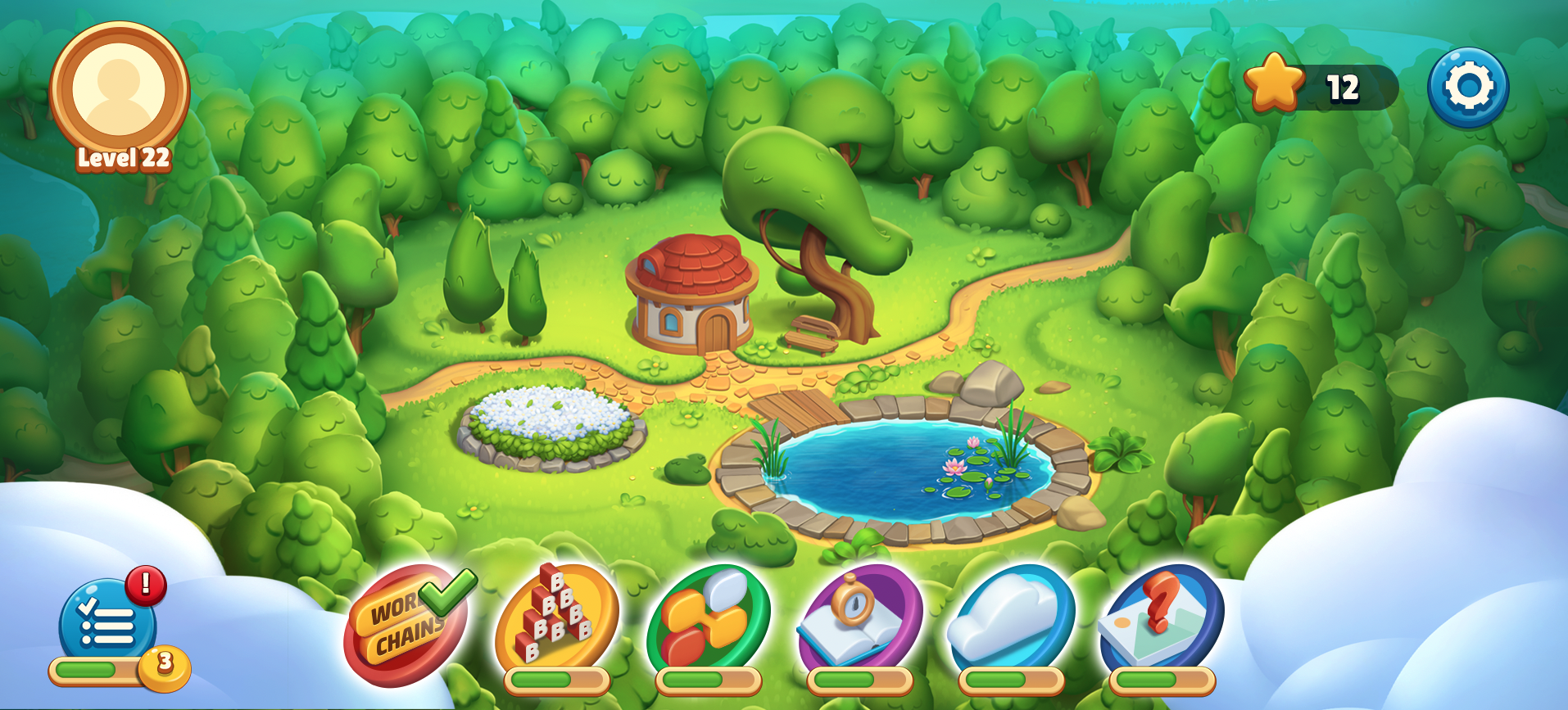
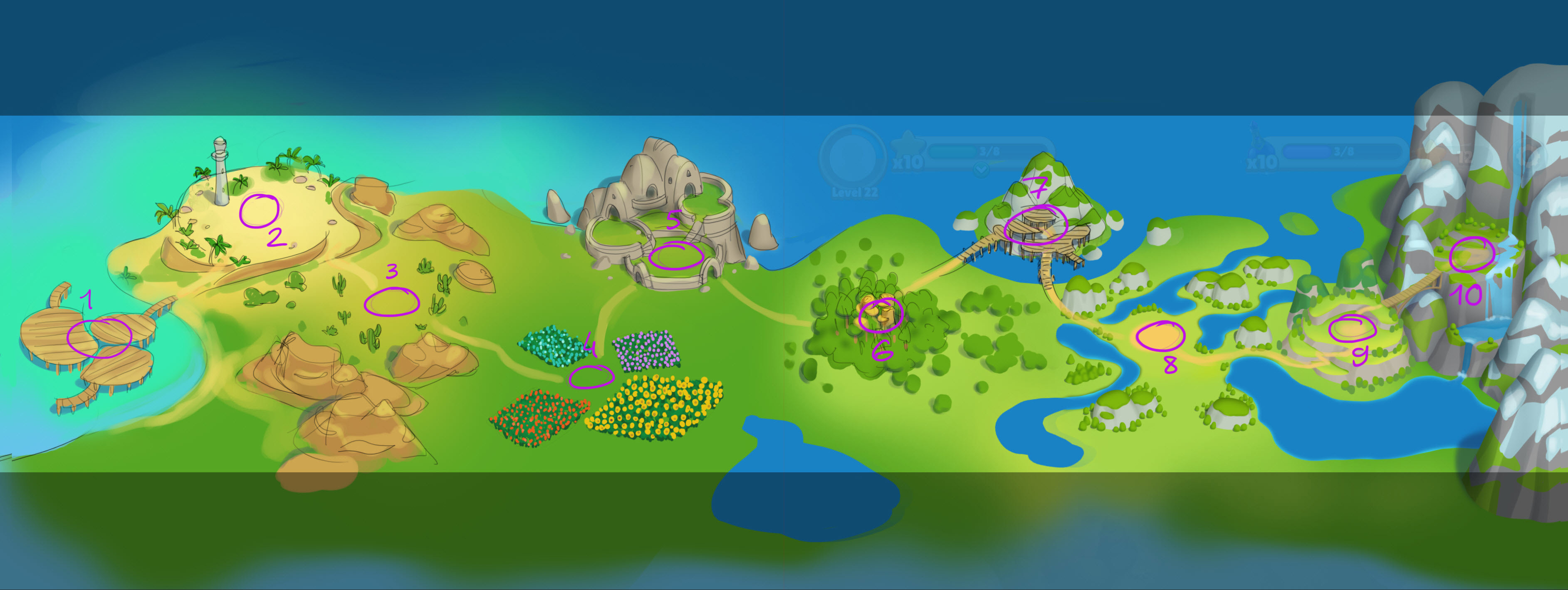
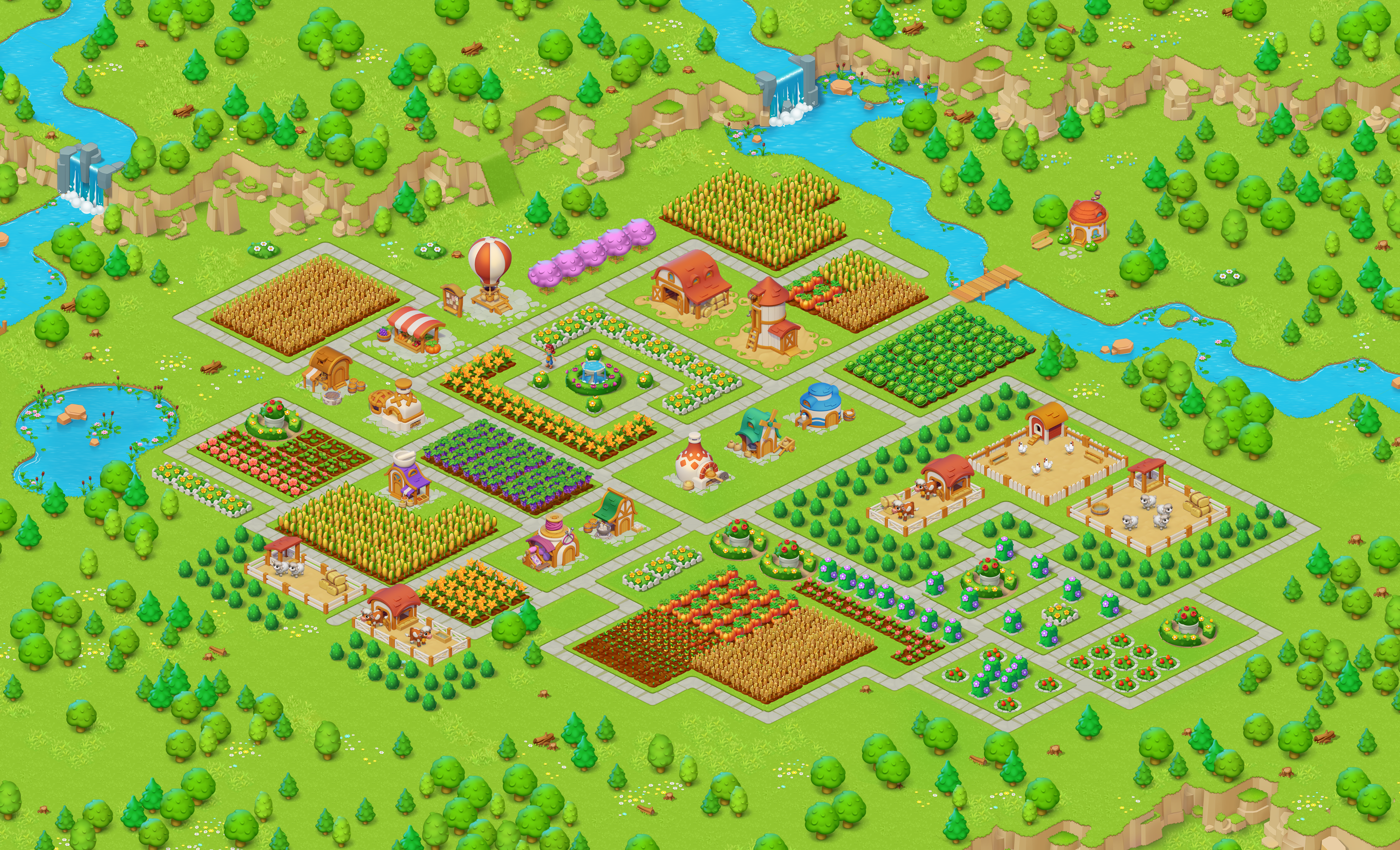
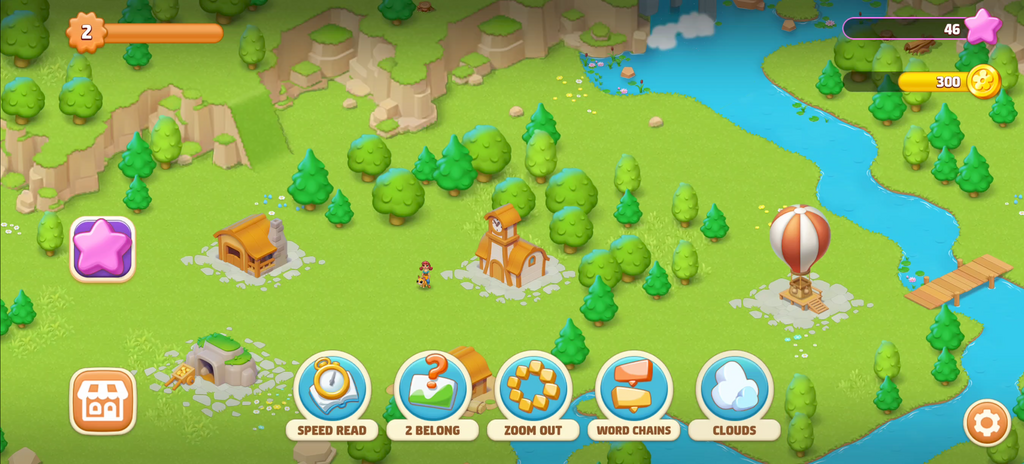
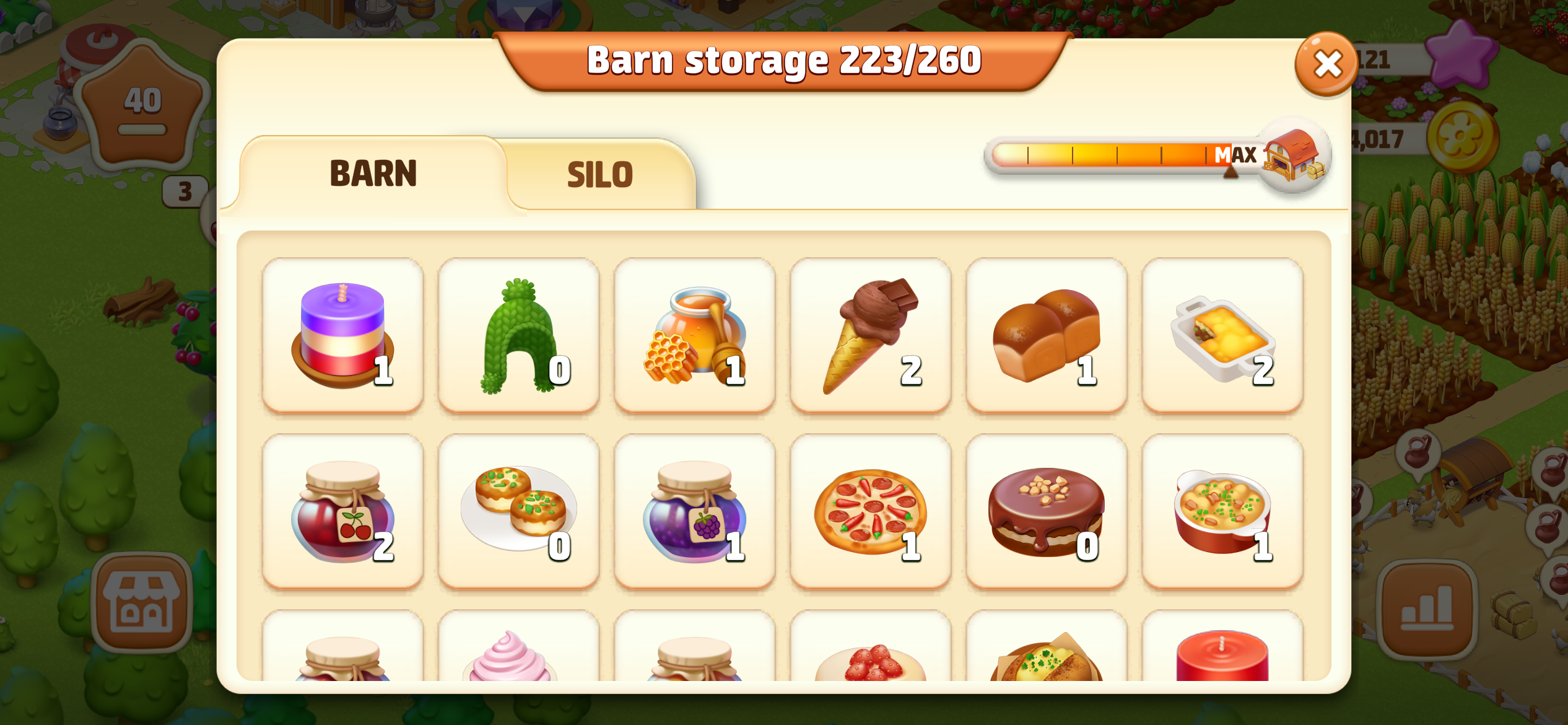
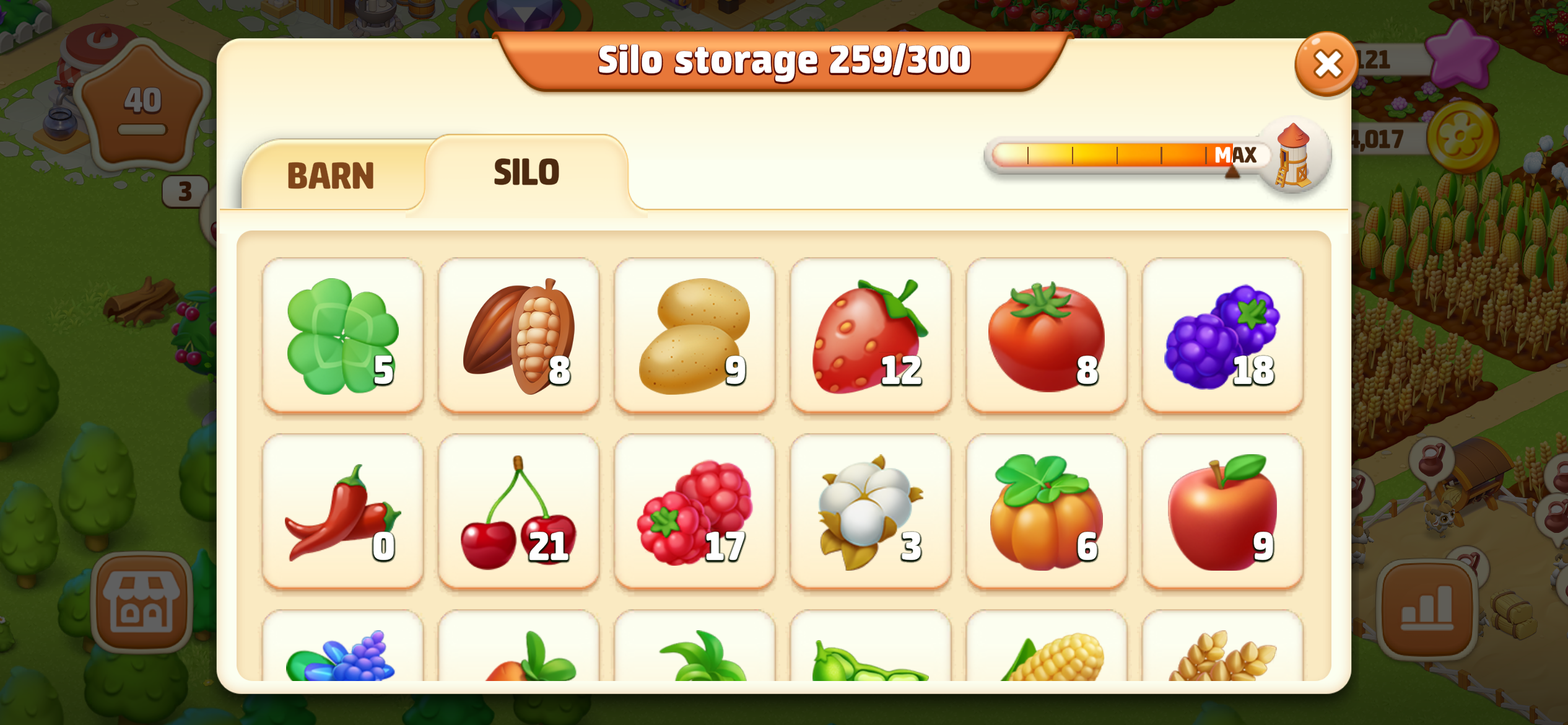
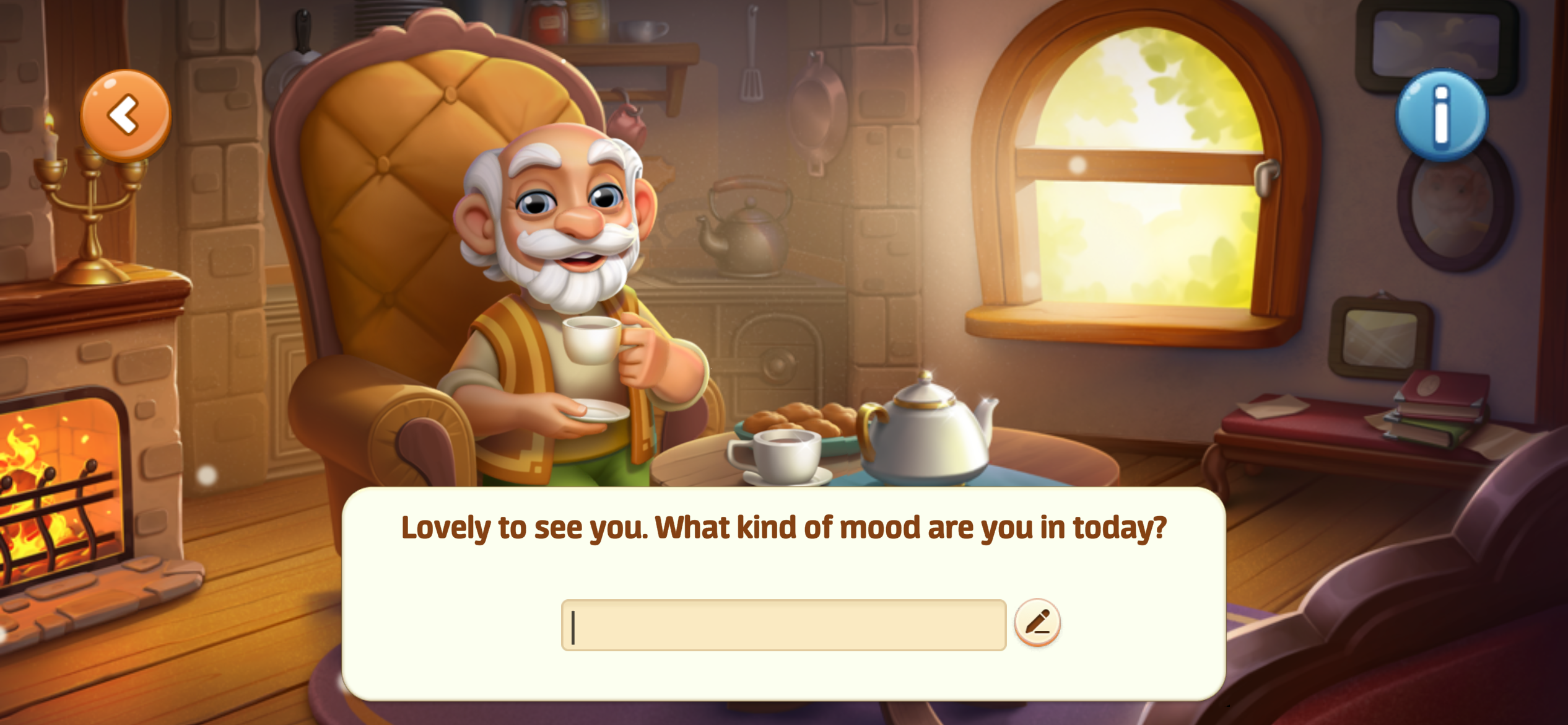
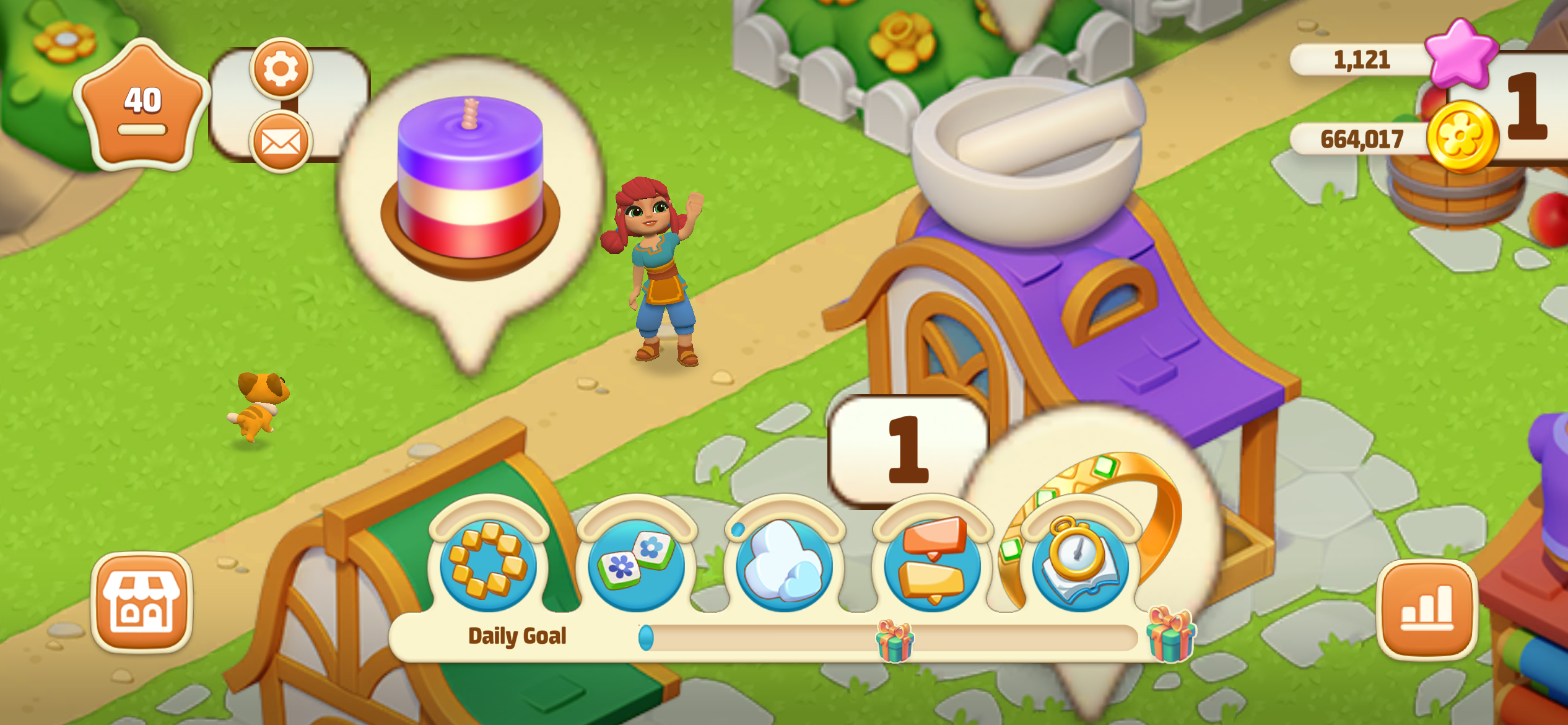
The first layer was a farm-management meta-game. Players developed and expanded a small, positive game world: growing crops, producing goods, unlocking buildings, earning rewards, and progressing over time. The farm gave the player a reason to return every day and created a familiar mobile-game structure around the therapeutic experience. I was the lead designer of the game, working closely with Olga Eckel Sambur who was my 2nd half of the Product team and also led the visual look and feel of the game.
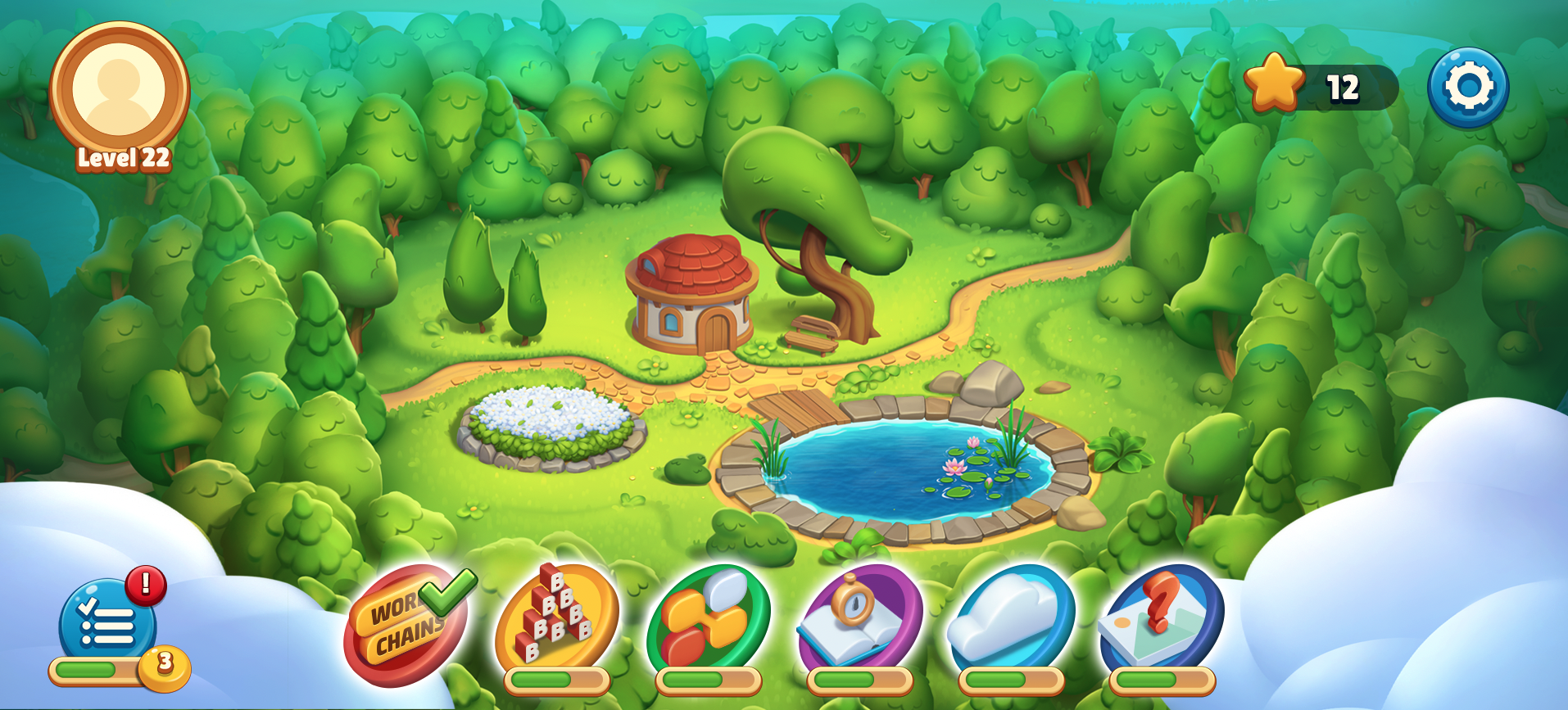
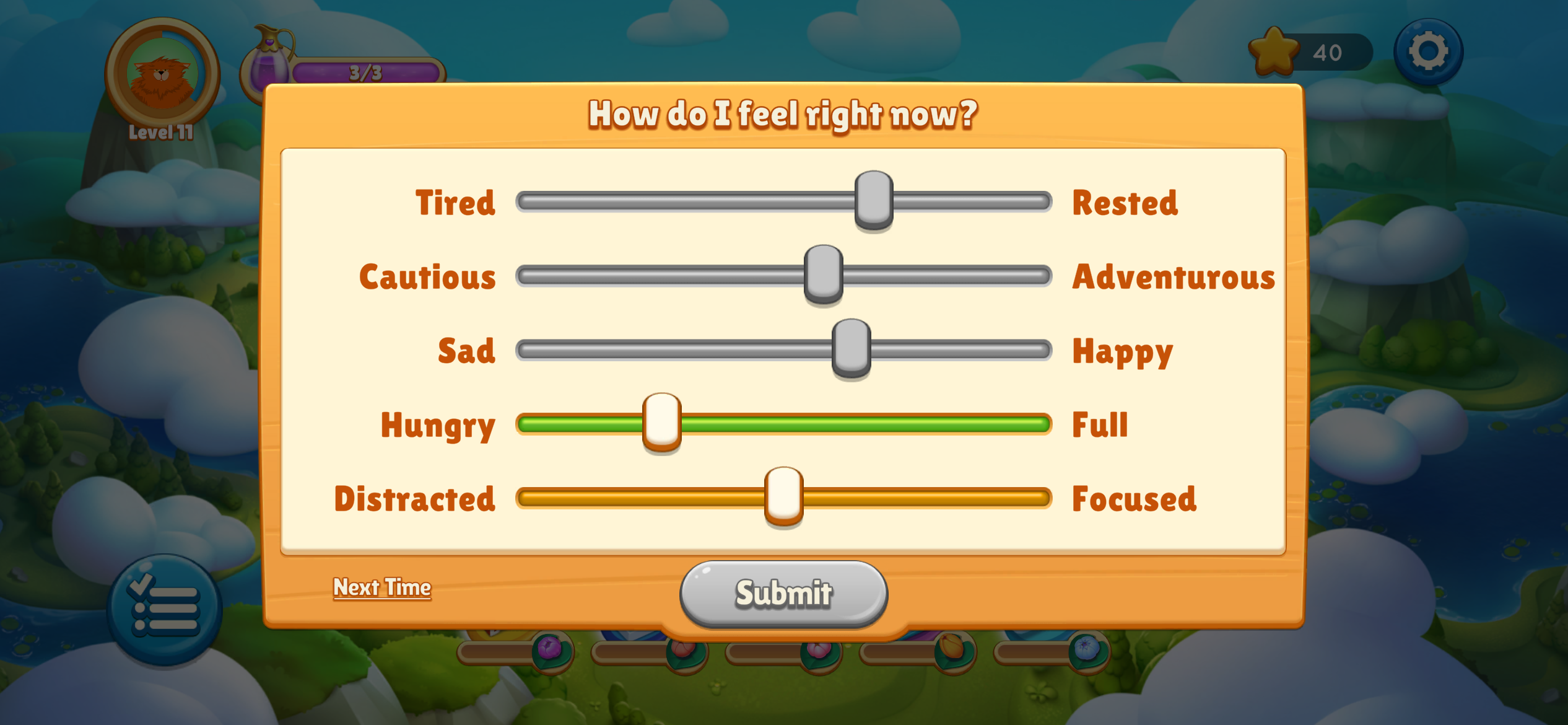
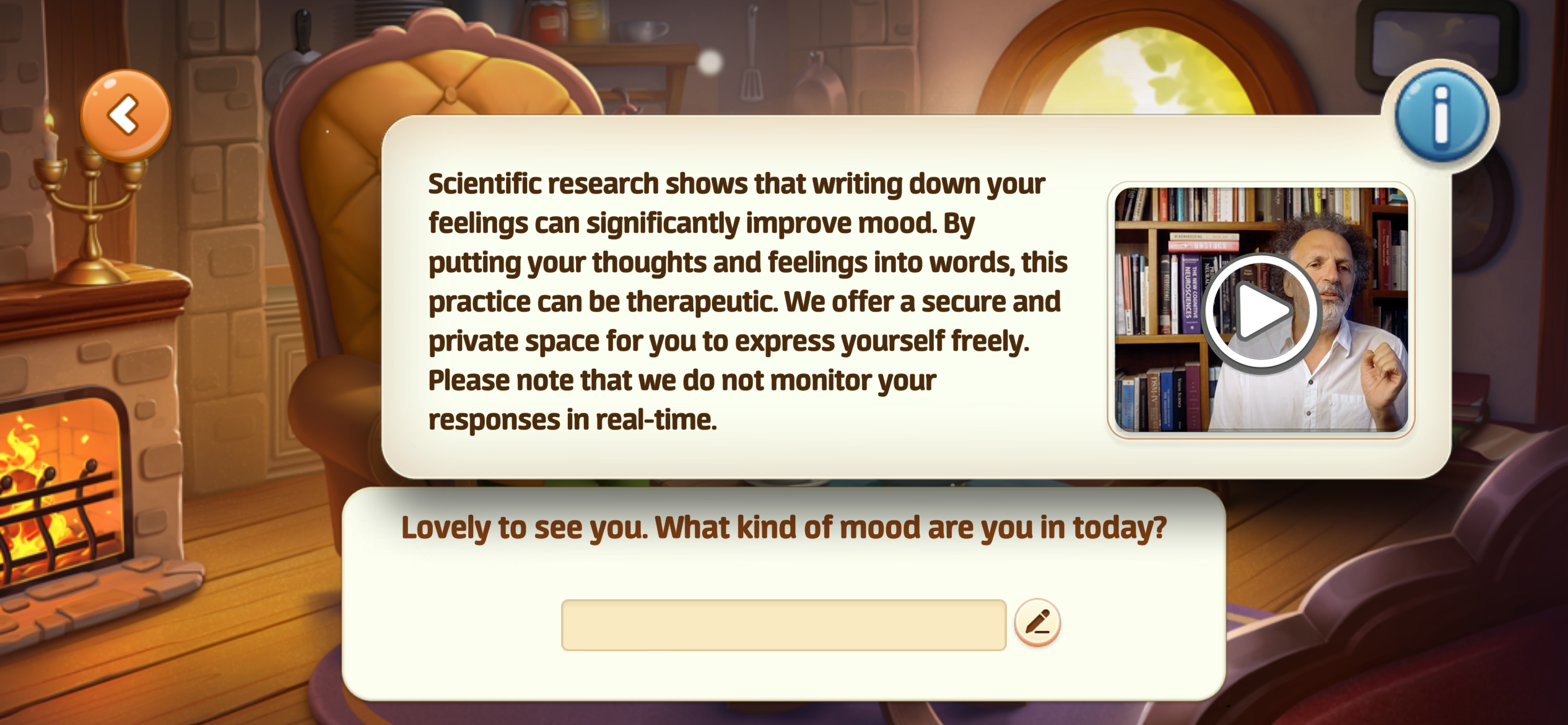
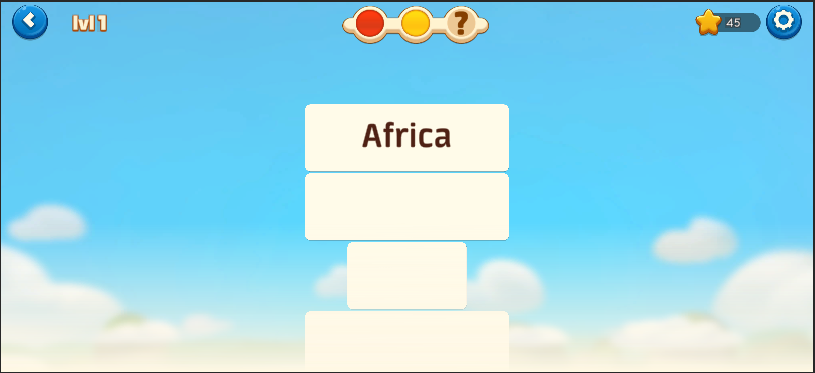
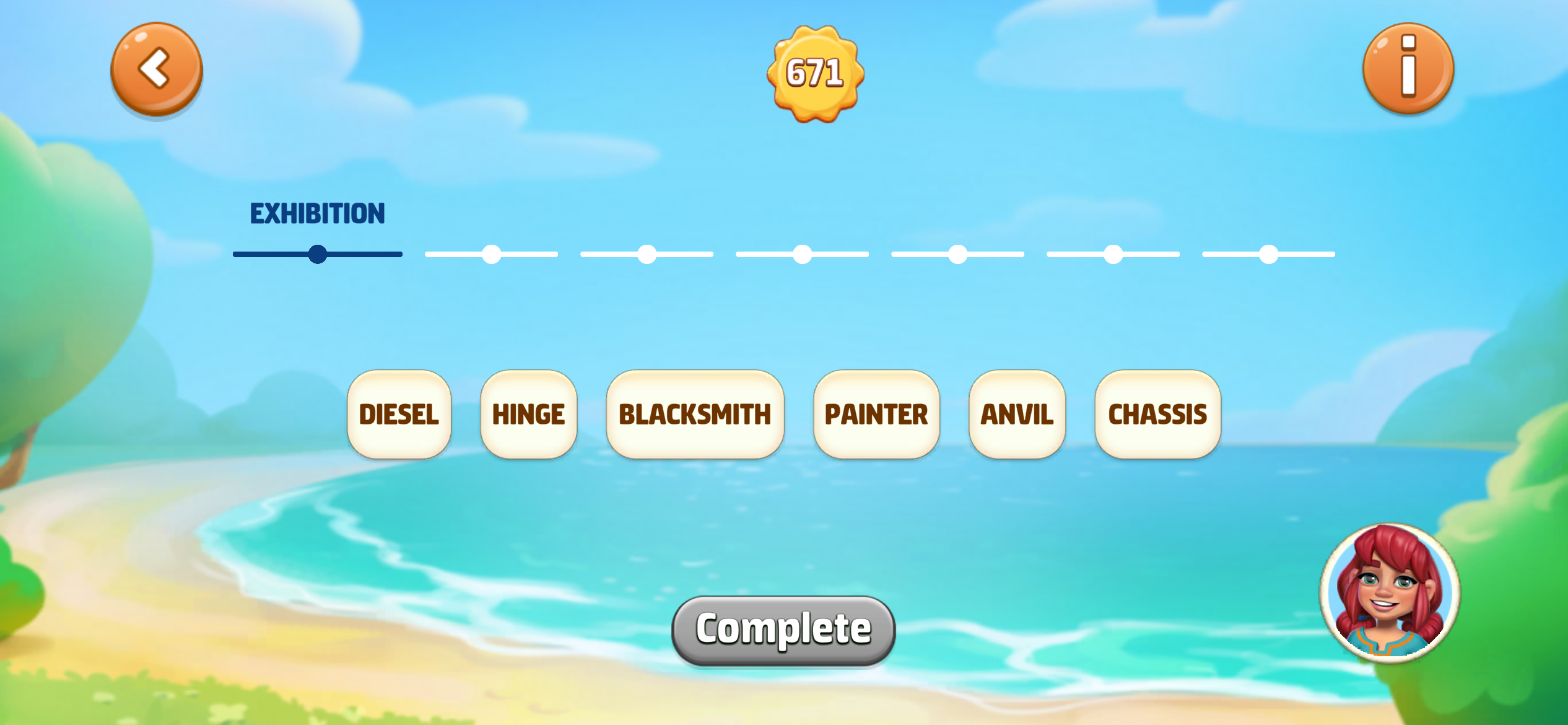
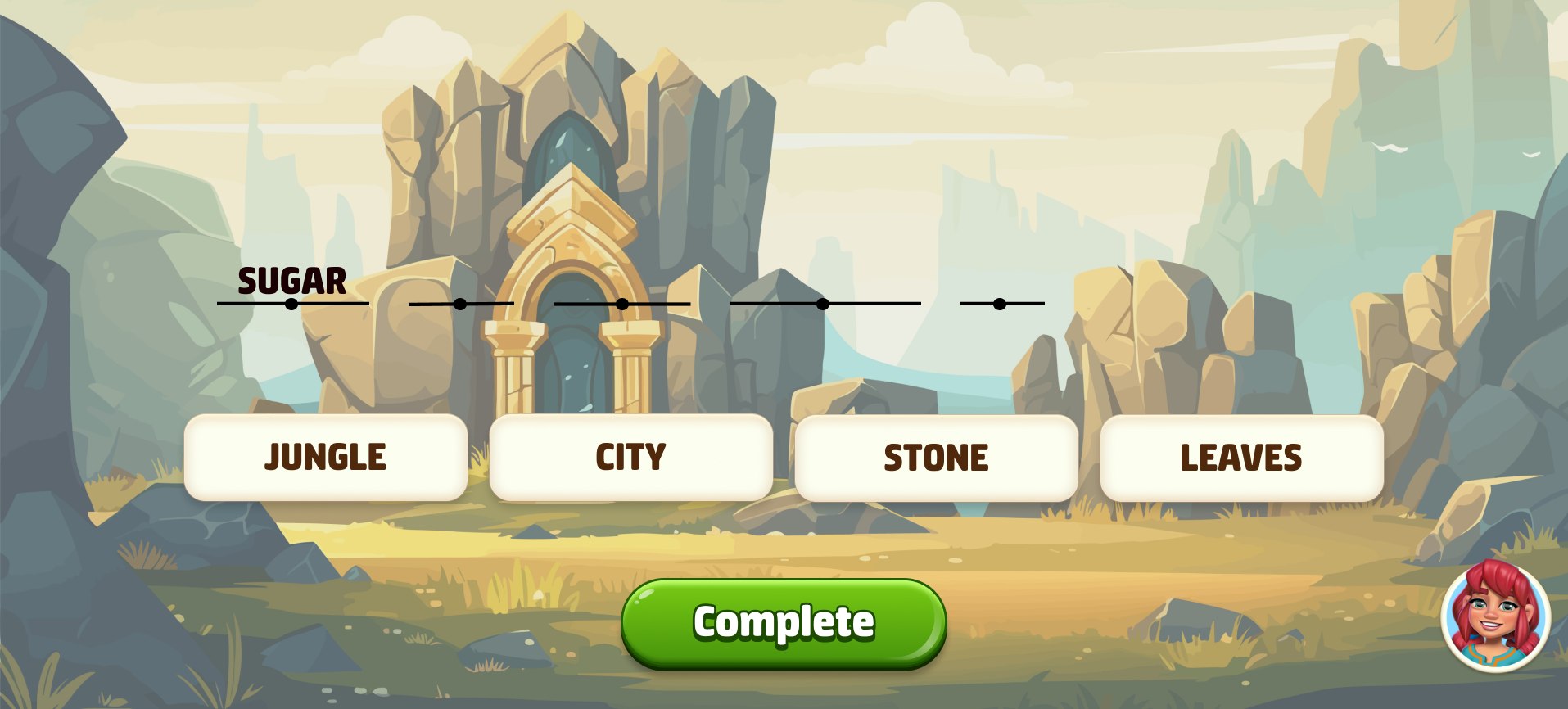
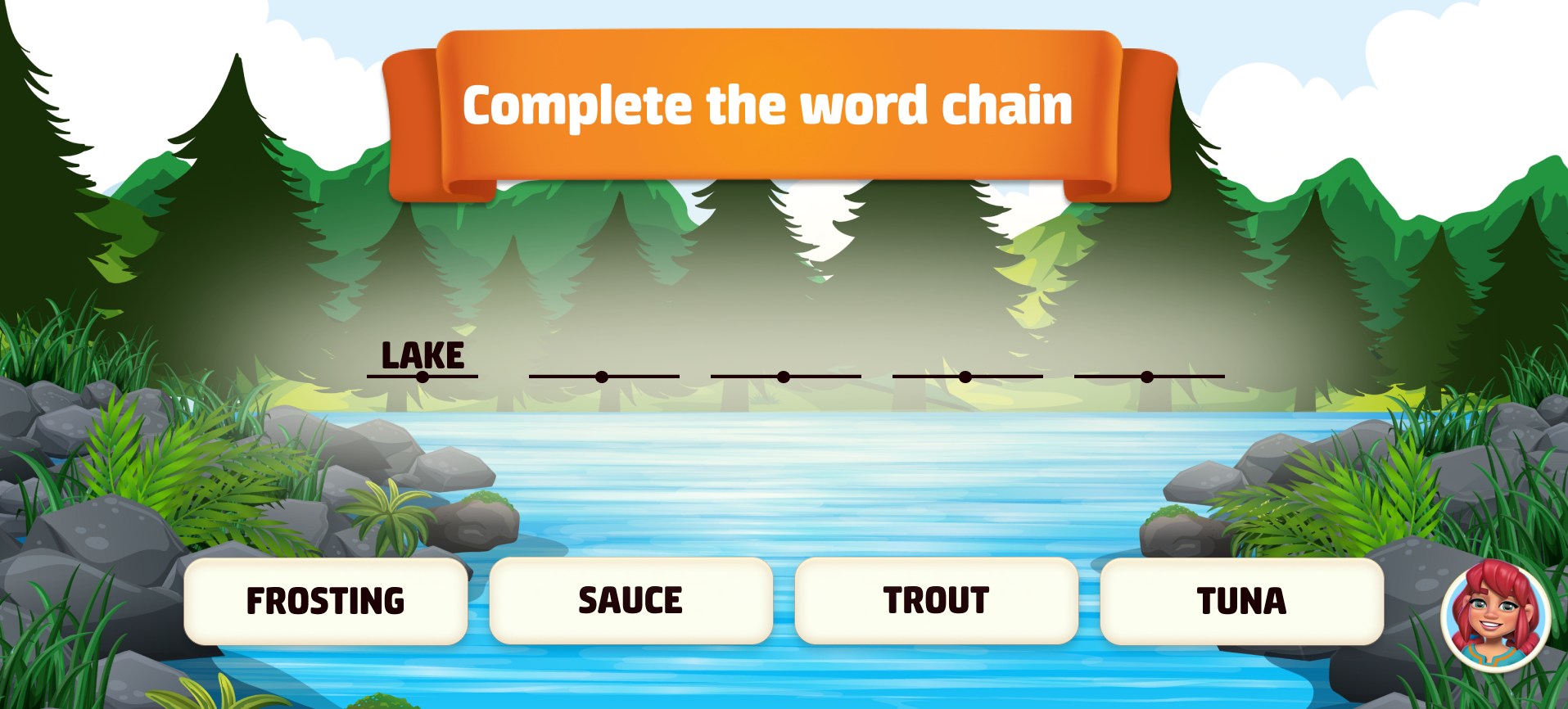
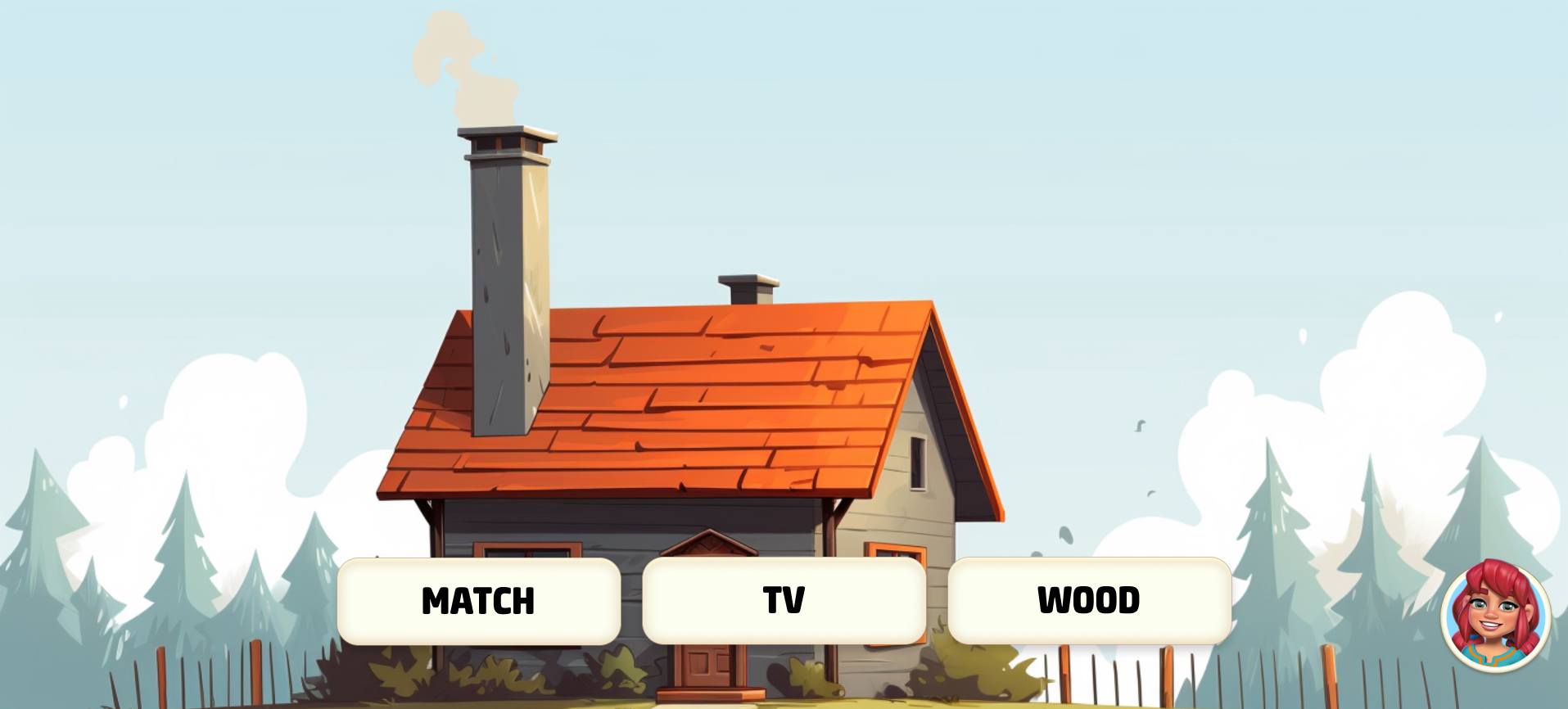
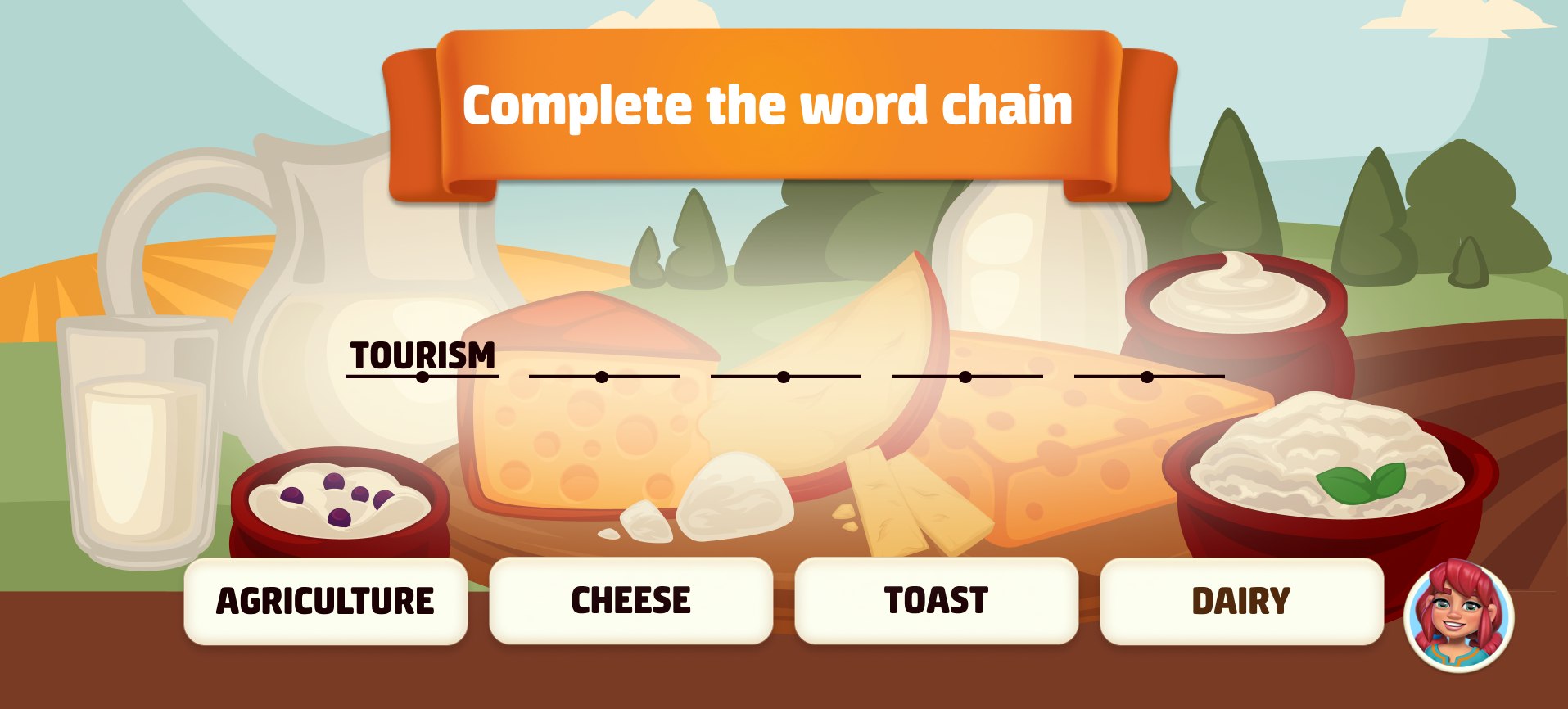
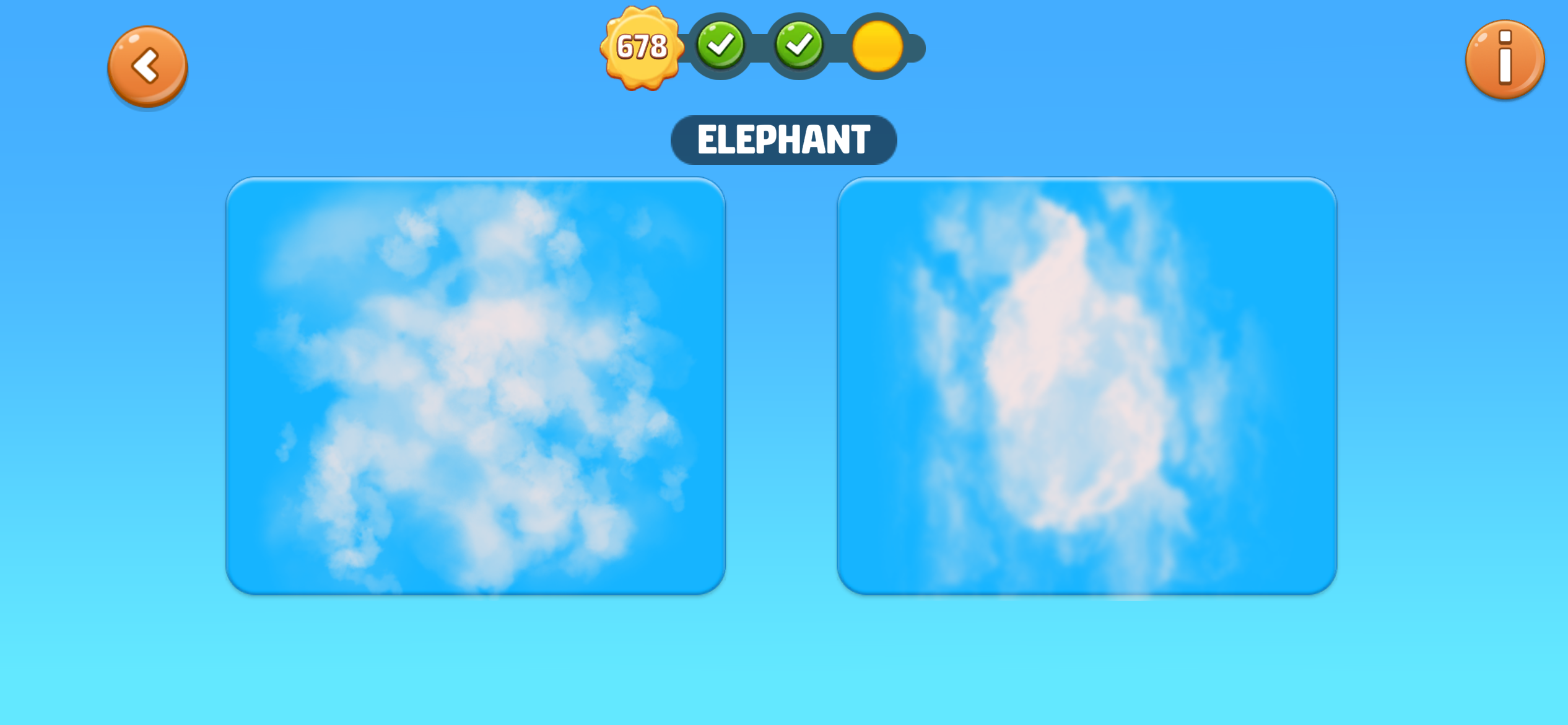
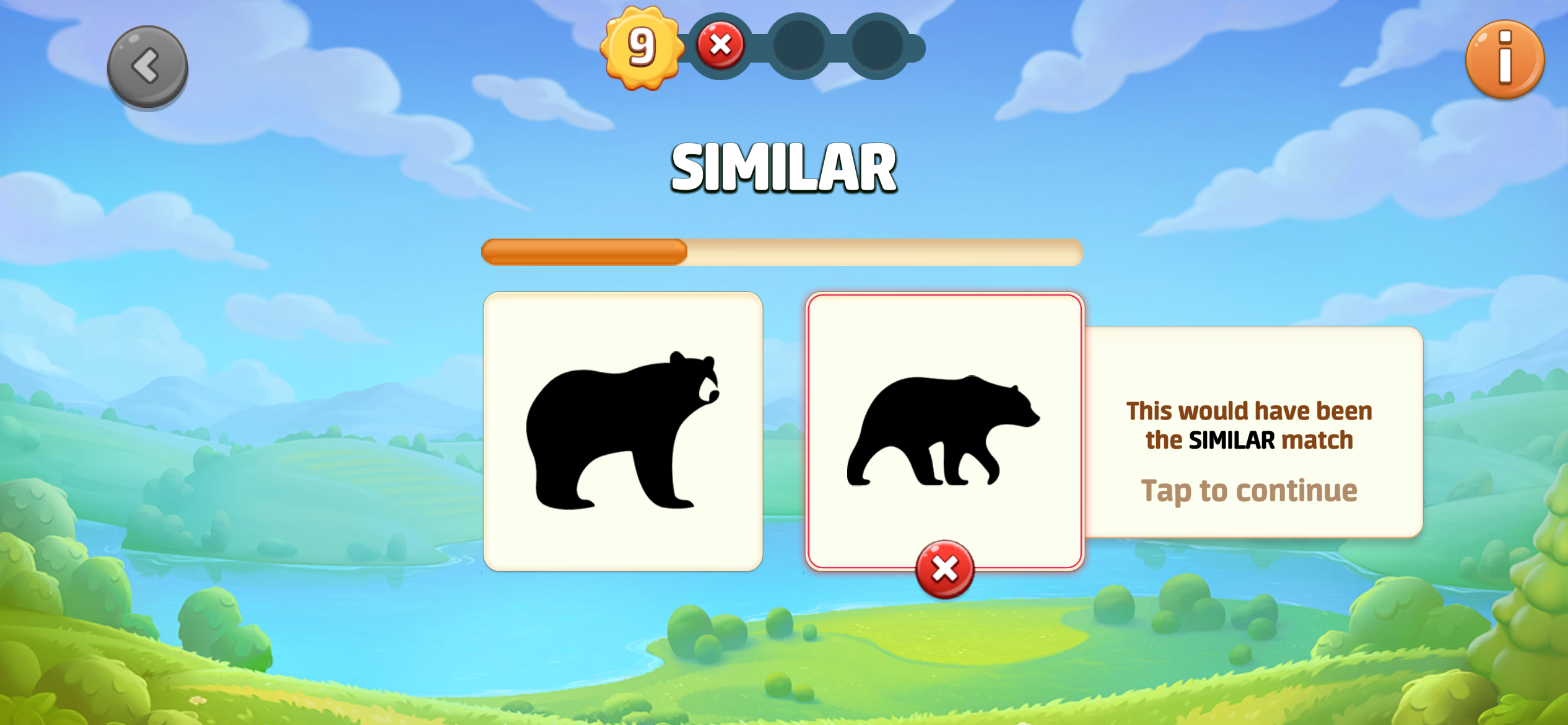
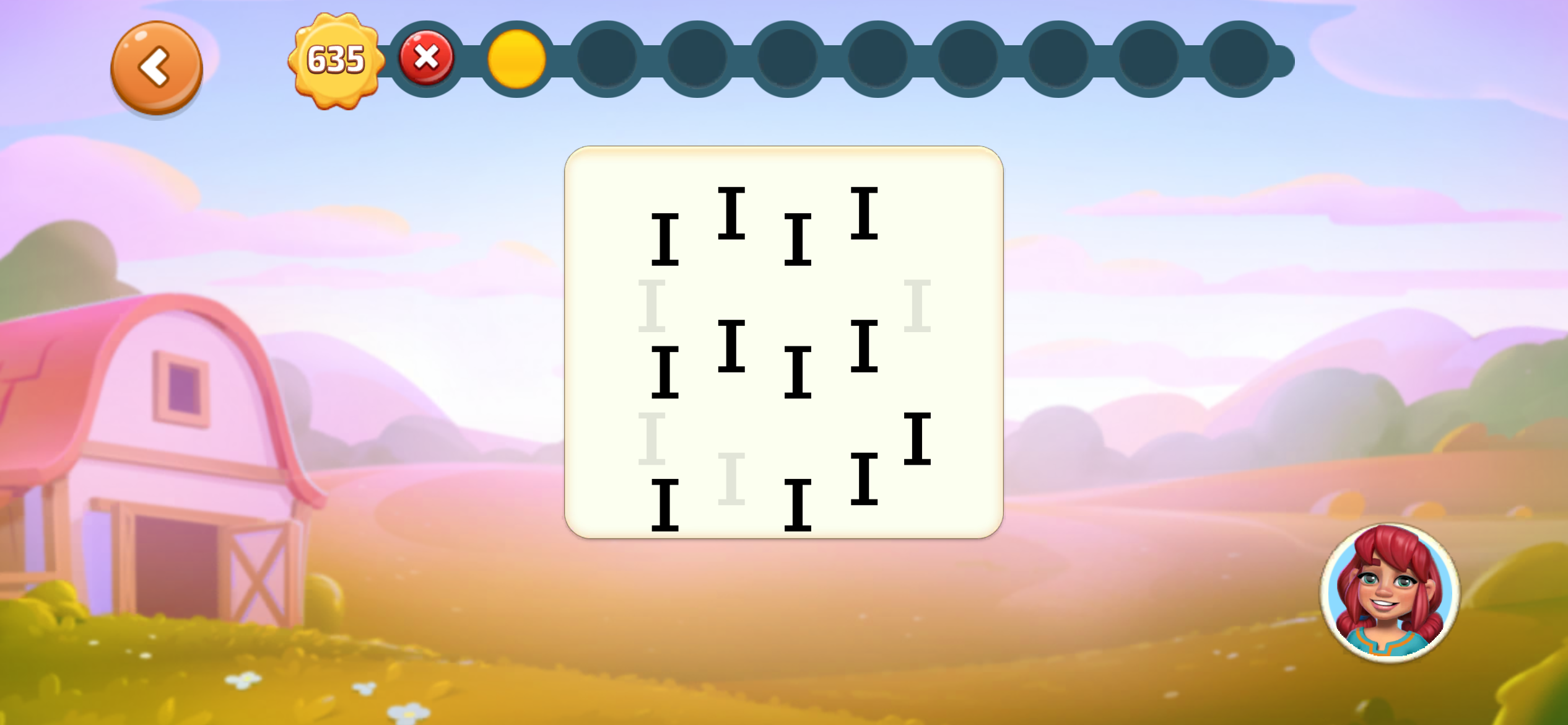
The second layer was a set of short Therapeutic Games, or TGs. These were mini-games based on FTP principles. They were designed to gently push the player’s mind toward broader associations, faster recognition, creativity, global attention, and cognitive flexibility.
Basically the TGs were mini games we worked closely on with the science team, and the Farm Management game was our own game & economy where the science team only provided general guidelines to avoid common triggers.
The Science Behind Mood Bloom
The clinical-trial version of the product was called Moodville. Mood Bloom was the later commercial game with a deeper and more polished game layer built around the TGs.
Mood Bloom was based on Facilitating Thought Progression, a cognitive-neuroscience approach developed from research on rumination, associative thinking, creativity, and mood.
The basic idea behind FTP is that people experiencing depression often get caught in repetitive, narrow thought loops. Instead of trying to challenge specific thoughts, as in classic CBT, FTP aims to change the dynamics of thinking: make thought move more broadly, more quickly, and with more flexibility. It actually strives to make a biological change in the brain (which was one of the reasons we couldn’t just double the daily content to make treatment twice as fast/effective).
The MGH Trial
We did the main clinical study at Massachusetts General Hospital, in collab with academic researchers from Harvard Medical School, Bar-Ilan University, and Old Dominion University.
The science team published the results in the peer-reviewed paper, published in the Journal of Medical Internet Research in 2024. The study was a randomized controlled trial, with blinded clinician assessments. Participants in the intervention group used the app for about 15 minutes per day, at least four days per week, over eight weeks.
We basically found roughly 45% reduction in depressive symptoms following the eight-week usage, which was even better than we expected.
The formal results in the paper reported a between-group (the group who used Moodville vs the control group) improvement of about 7 points on the MADRS depression scale, with benefits persisting at follow-up. You can go read the results from JMIR and Bar Ilan if you want more academic details.
Closing of Mood Bloom
While the game showed good effect in clinical trials, and we managed to gather enough data to even prove its clinical effectiveness as a commercial product, the game (and the company) was discontinued.
The main reason was, as often in games and especially in mental-health apps — commercial. The game had a good LTV and an avg lifetime of 2+ months, but couldn’t get to be profitable on a consistent basis.
It was an especially rough road as we avoided using Free to Play monetization model since it was a predatory model and was not fit (ethically) to be used on people with depression. We went for the subscription model which was a completely different world than our mainstream F2P model in the game industry.
The game has since been discontinued, but I think the work we did is important to preserve. First, we proved we CAN make a clinical impact for the better on symptoms of depression and anxiety using mobile games. We did actual games, not some “wellness” or light gamification — each TG took about 6-7 months to get right clinically and game-wise. We created 7 TGs with unique and proven content for each. This is certainly an achievement I am proud of.